In the packaging industry, where speed, precision, and consistency are critical, plastic parts play a vital role in ensuring seamless production—from caps, lids, and spouts to small plastic components used in packaging machinery. However, manually feeding these plastic parts into packaging lines is time-consuming, error-prone, and costly, often leading to production bottlenecks, inconsistent packaging quality, and increased labor expenses. A dedicated plastic parts feeding system, centered on high-performance vibratory bowl feeders, is the solution to streamline packaging line operations, minimize downtime, and ensure reliable, automated feeding of plastic components.
Plastic parts, unlike metal components, have unique characteristics—they are lightweight, often have irregular shapes, and can be prone to static cling or surface damage. This makes them more challenging to feed automatically compared to heavier, more rigid parts. A specialized plastic parts feeding system is engineered to address these challenges, providing a tailored solution that aligns with the specific needs of packaging lines, whether for food & beverage packaging, pharmaceutical packaging, cosmetic packaging, or industrial packaging.
Why Packaging Lines Need a Specialized Plastic Parts Feeding System
Packaging lines operate at high speeds, with strict requirements for accuracy and consistency. Manual feeding of plastic parts simply cannot keep up with modern packaging demands, and even generic feeding systems may fail to handle the unique properties of plastic components. Here’s why a specialized system is essential:
- Prevent Plastic Part Damage: Plastic parts are often fragile or have delicate surfaces—generic feeders may cause scratches, cracks, or deformation. A specialized system uses gentle vibration and custom track designs to handle plastic parts with care, ensuring they reach the packaging line intact.
- Eliminate Static Cling Issues: Lightweight plastic parts are prone to static electricity, which causes them to stick together or to the feeder track. Specialized systems include anti-static features (such as ionizers or anti-static coatings) to neutralize static, ensuring smooth part flow.
- Match Packaging Line Speed: Modern packaging lines can process hundreds or thousands of units per minute. A dedicated feeding system is calibrated to match this speed, providing a steady, uninterrupted supply of plastic parts to avoid bottlenecks.
- Ensure Precision Orientation: Many plastic parts (e.g., caps, spouts) need to be fed in a specific orientation to fit into packaging correctly. A specialized system uses custom track designs and sorting mechanisms to ensure each part is oriented properly, reducing packaging errors and rework.
Key Components of a Plastic Parts Feeding System for Packaging Lines
A high-performance plastic parts feeding system is more than just a vibratory bowl—it’s a complete solution designed to integrate seamlessly with your packaging line. The core components include:
1. Custom Vibratory Bowl Feeder
The heart of the system, the vibratory bowl is custom-designed to match the size, shape, and weight of your plastic parts. For packaging applications, bowls are often made of food-grade or pharmaceutical-grade materials (such as 304 stainless steel or food-safe plastic) to meet industry standards. The bowl’s track is engineered with smooth surfaces and gentle curves to prevent plastic part damage, and the vibration frequency is adjustable to ensure optimal part flow without bouncing or jamming.
2. Anti-Static & Anti-Scratch Features
To address static cling, the system may include built-in ionizers that neutralize static electricity, preventing parts from sticking together. Additionally, the bowl and track can be coated with a soft, wear-resistant material (such as polyurethane) to protect delicate plastic surfaces from scratches or abrasions—critical for packaging components that require a clean, unblemished appearance.
3. Linear Feeder Extension
After sorting and orienting in the vibratory bowl, plastic parts are fed into a linear feeder, which transports them smoothly to the packaging line’s next stage (e.g., capping machine, labeling machine). Linear feeders provide a steady, consistent flow of parts, ensuring alignment with the packaging equipment’s speed and reducing the risk of jams.
4. PLC Control System
A programmable logic controller (PLC) allows for easy integration with your existing packaging line controls. Operators can adjust vibration speed, feeding rate, and part orientation settings via a user-friendly interface, and the system can be programmed to alert operators of jams, low part levels, or other issues—minimizing downtime and ensuring proactive maintenance.
5. Hopper & Automatic Refill System
To avoid manual refilling and ensure continuous operation, the system may include a hopper that holds a large supply of plastic parts. An automatic refill sensor detects when the bowl’s part level is low and triggers the hopper to refill the bowl—eliminating the need for constant operator monitoring and reducing interruptions.
Common Applications of Plastic Parts Feeding Systems in Packaging Lines
Plastic parts feeding systems are versatile and can be tailored to a wide range of packaging applications. Here are some of the most common use cases:
1. Food & Beverage Packaging
Feeding plastic caps, lids, spouts, and straws into bottling lines, canning lines, or pouch packaging machines. The system ensures these parts are fed quickly and accurately, matching the high speed of food & beverage packaging lines while adhering to food safety standards.
2. Pharmaceutical & Medical Packaging
Handling small plastic components such as pill bottle caps, syringe parts, and medical device components. The system is designed to meet strict pharmaceutical standards, with easy-to-clean surfaces and gentle handling to avoid contamination or damage.
3. Cosmetic & Personal Care Packaging
Feeding plastic pumps, spray nozzles, jar lids, and cosmetic applicator parts into packaging lines. The system’s anti-scratch features ensure these aesthetically important parts remain in perfect condition, while precise orientation ensures they fit correctly on bottles or jars.
4. Industrial Packaging
Feeding plastic fasteners, connectors, and packaging clips into industrial packaging lines (e.g., for boxes, bags, or pallets). The system’s durability and high-speed capabilities make it ideal for heavy-duty industrial applications.
Benefits of Upgrading to a Plastic Parts Feeding System
Investing in a specialized plastic parts feeding system for your packaging line delivers tangible benefits that directly impact your bottom line:
- Increased Production Efficiency: Automate the feeding process to match the speed of your packaging line, reducing bottlenecks and increasing overall throughput by 30-50% compared to manual feeding.
- Reduced Labor Costs: Eliminate the need for manual part feeding, freeing up operators to focus on more value-added tasks (e.g., quality control, equipment maintenance).
- Improved Packaging Quality: Consistent, precise feeding and orientation reduce errors (e.g., misaligned caps, missing parts), resulting in higher-quality packaging and fewer rejected products.
- Minimized Downtime: Anti-jamming features, automatic refilling, and proactive alerts reduce unplanned downtime, ensuring your packaging line runs smoothly for longer.
- Compliance with Industry Standards: Food-grade, pharmaceutical-grade, and anti-static designs ensure compliance with strict industry regulations, avoiding costly fines or product recalls.
How to Choose the Right Plastic Parts Feeding System for Your Packaging Line
Selecting the right feeding system depends on your specific packaging needs, including the type of plastic parts, production speed, and industry requirements. Here are key factors to consider:
- Part Specifications: The size, shape, weight, and fragility of your plastic parts will determine the bowl design, vibration settings, and track configuration.
- Production Speed: Choose a system that can match or exceed your packaging line’s speed to avoid bottlenecks.
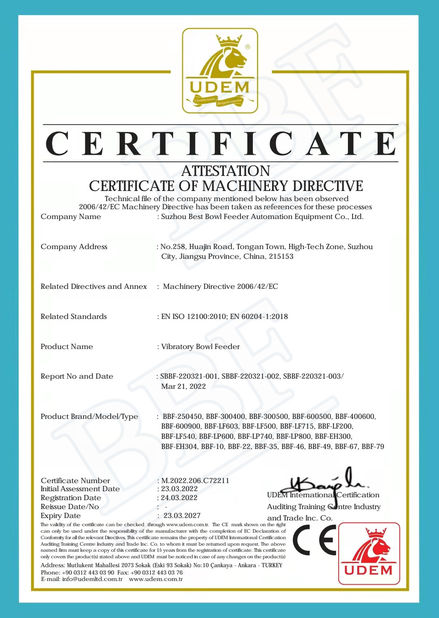
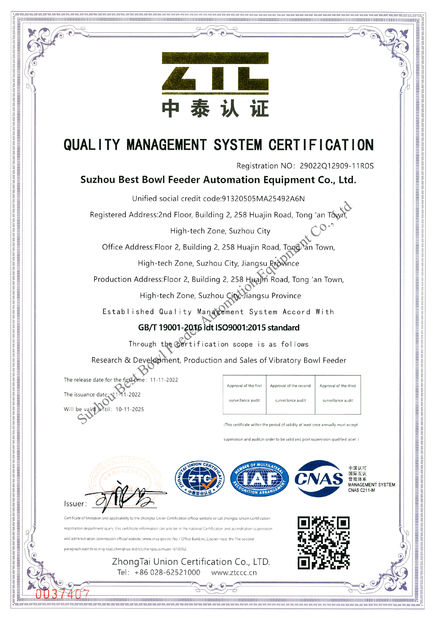
- Industry Requirements: For food, pharmaceutical, or cosmetic packaging, ensure the system uses food-safe, easy-to-clean materials and meets relevant certifications (e.g., CE, FDA).
- Integration Capability: Ensure the system can integrate seamlessly with your existing packaging equipment (e.g., capping machines, labeling machines) via PLC controls.
- Customization Options: Look for a supplier that offers custom bowl and track designs to fit your unique plastic parts and packaging process.
A well-designed plastic parts feeding system is a game-changer for packaging lines, transforming a labor-intensive, error-prone process into a smooth, efficient, and reliable operation. By investing in a system tailored to your plastic parts and packaging needs, you can boost productivity, reduce costs, and ensure consistent, high-quality packaging—giving your business a competitive edge in the fast-paced packaging industry.
For more information on custom plastic parts feeding systems for packaging lines, or to discuss your specific requirements with our technical team, visit our official independent site or contact us for a free, personalized consultation.

 Your message must be between 20-3,000 characters!
 English